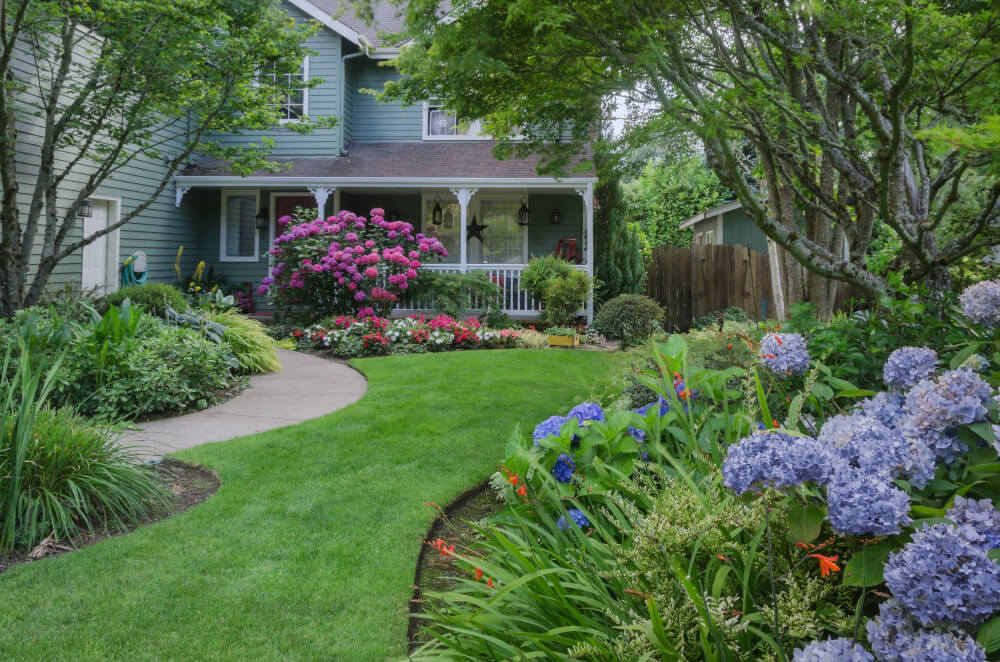
1. Planning Your Low-Maintenance Landscape
Overview: Proper planning is the foundation of a low-maintenance landscape. By assessing your space and making strategic design choices, you can minimize the time and effort needed for upkeep.
Steps:- Assess Your Yard: Evaluate your yard’s size, shape, and existing features. Note areas with different light conditions, soil types, and moisture levels.
- Set Goals: Determine your primary goals for the landscape. Are you looking to reduce watering, minimize weeding, or create more usable space?
- Budget: Establish a realistic budget that considers initial installation costs and long-term maintenance savings.
- Research: Look for inspiration and gather ideas from gardening magazines, websites, and local gardens.
- Zoning: Divide your yard into functional zones, such as entertainment areas, play zones, and garden beds.
- Long-Term Vision: Plan for the future, considering how plants will grow and fill out over time.
2. Choosing the Right Plants
Overview: Selecting the right plants is crucial for a low-maintenance landscape. Opt for plants that are well-suited to your local climate and soil conditions and require minimal care.
Tips:- Native Plants: Choose native plants that are adapted to your local environment and typically require less water, fertilizer, and pest control.
- Drought-Tolerant Plants: Select drought-tolerant plants that thrive with minimal watering. Examples include succulents, ornamental grasses, and certain perennials.
- Perennials Over Annuals: Use perennials, which come back year after year, reducing the need for replanting. Examples include lavender, echinacea, and hostas.
- Ground Covers: Replace traditional lawns with low-maintenance ground covers like clover, creeping thyme, or moss.
- Evergreens: Incorporate evergreen shrubs and trees for year-round structure and minimal leaf cleanup.
- Sunlight Requirements: Group plants with similar sunlight needs together to simplify watering and care.
- Soil Preferences: Match plants to the soil conditions in different areas of your yard for optimal growth with minimal intervention.
3. Efficient Irrigation Systems
Overview: An efficient irrigation system can significantly reduce the time and effort needed to water your landscape while conserving water and ensuring plants get the moisture they need. Options:- Drip Irrigation: Install a drip irrigation system to deliver water directly to the roots of plants, reducing evaporation and runoff.
- Soaker Hoses: Use soaker hoses for garden beds to provide slow, deep watering that minimizes waste.
- Smart Controllers: Invest in smart irrigation controllers that adjust watering schedules based on weather conditions and soil moisture levels.
- Rain Barrels: Collect and store rainwater in barrels to use for irrigation, reducing reliance on municipal water supplies.
- Watering Schedule: Water early in the morning or late in the evening to minimize evaporation.
- Zoning: Divide your irrigation system into zones to ensure different areas receive the appropriate amount of water.
Join HICP Homeowner’s Alliance
Connect with experts, get special discounts and enjoy member benefits
4. Mulching
Overview: Mulching is a simple yet effective way to reduce maintenance by conserving moisture, suppressing weeds, and improving soil health.
Types of Mulch:- Organic Mulch: Use materials like wood chips, bark, straw, or compost. These break down over time, adding nutrients to the soil.
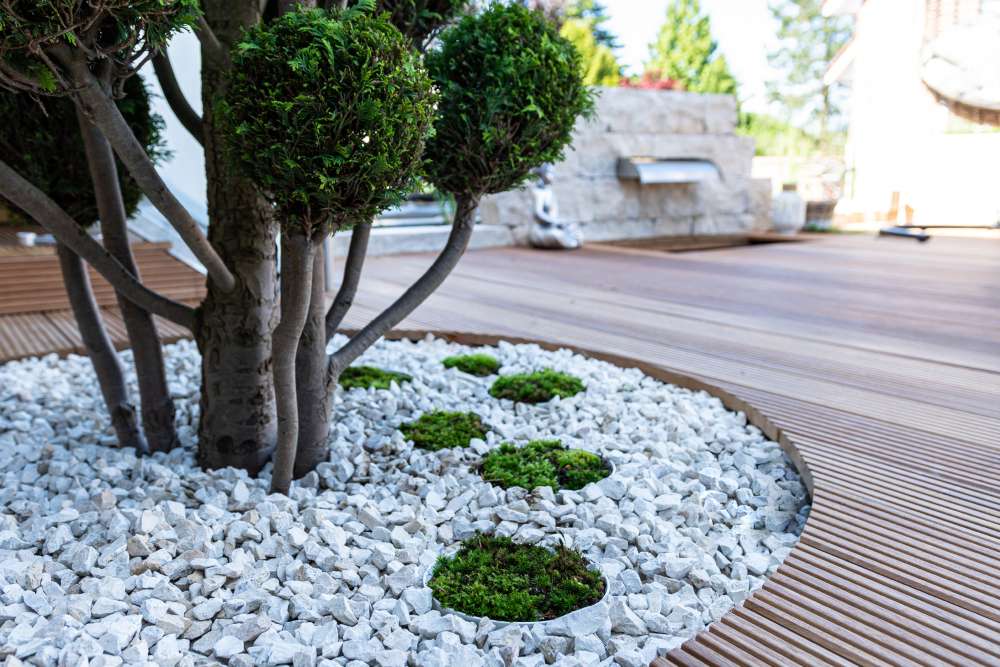
- Inorganic Mulch: Options include gravel, pebbles, or landscape fabric. These materials do not decompose and can provide a clean, long-lasting finish.
- Depth: Apply a 2-4 inch layer of mulch around plants, being careful not to pile it against stems or trunks.
- Replenish: Replenish organic mulch annually or as needed to maintain its effectiveness.
- Moisture Retention: Mulch helps retain soil moisture, reducing the need for frequent watering.
- Weed Suppression: A thick layer of mulch prevents weed seeds from germinating and growing.
5. Reducing Lawn Areas
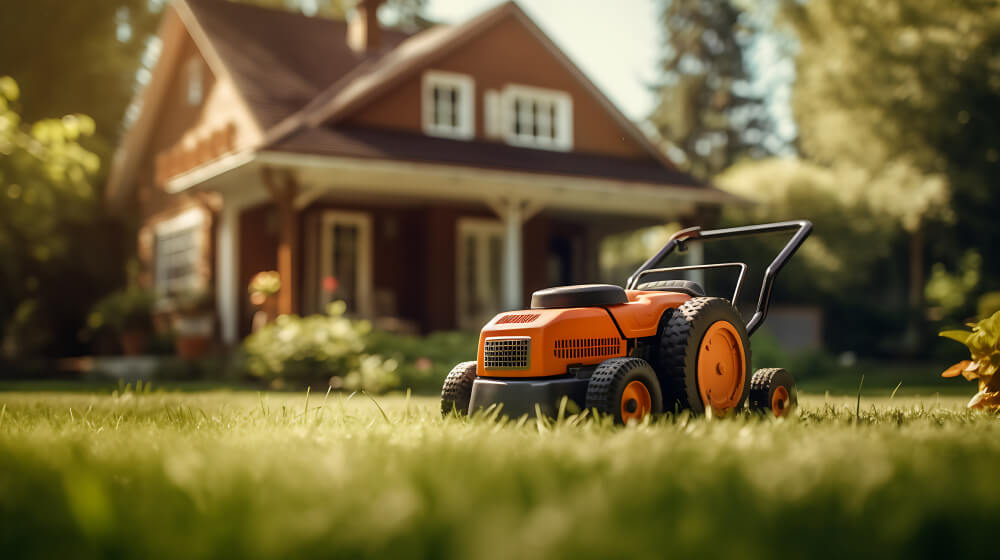
Overview: Lawns can be one of the most labor-intensive parts of a landscape. Reducing the size of your lawn can significantly cut down on maintenance tasks like mowing, watering, and fertilizing.
Alternatives:- Ground Covers: Replace sections of your lawn with low-maintenance ground covers like creeping thyme, sedum, or clover.
- Hardscaping: Incorporate hardscape elements such as patios, pathways, and gravel areas to reduce lawn space.
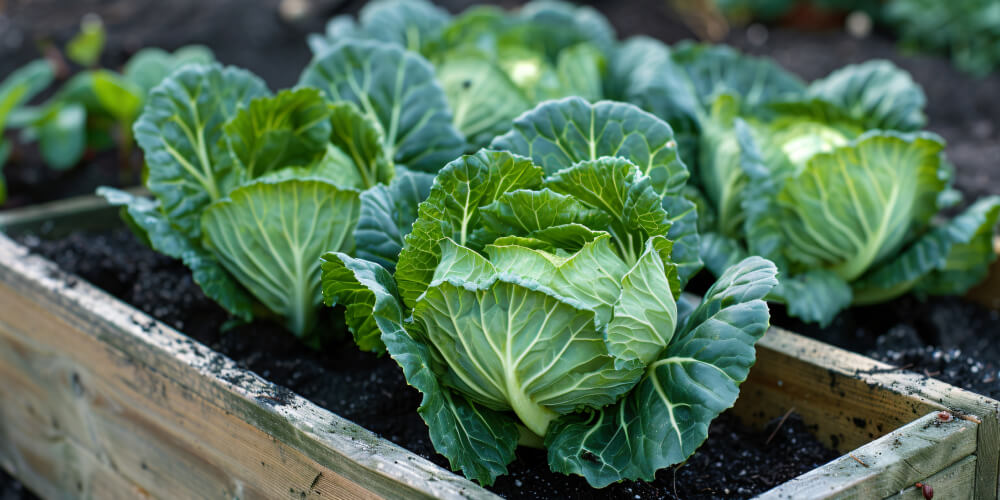
- Plant Beds: Expand flower beds, shrub borders, or vegetable gardens to occupy more space and reduce lawn area.
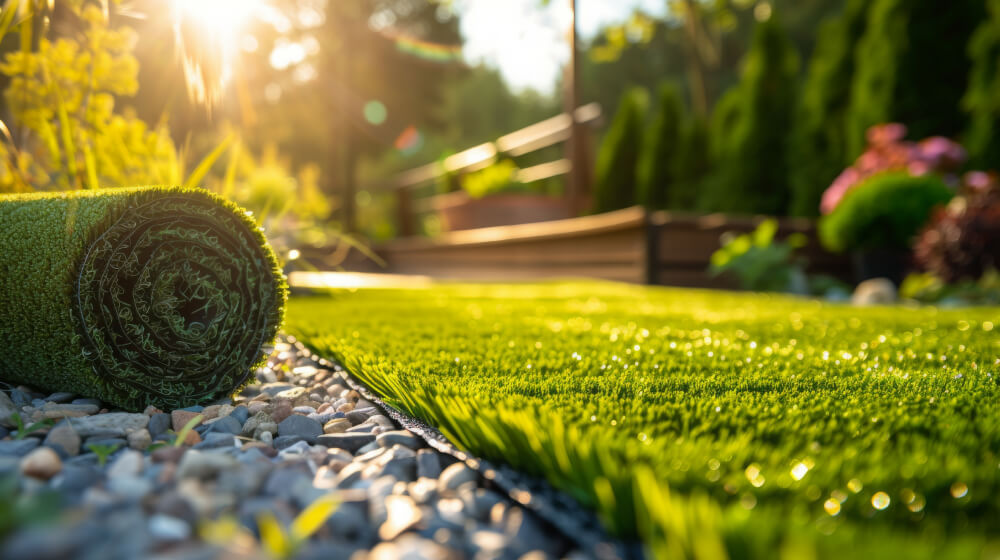
- Artificial Turf: Consider using high-quality artificial turf for areas where you want the look of grass without the maintenance.
- Edging: Use edging materials to define borders and prevent grass from encroaching into garden beds.
- Functional Areas: Designate specific areas for activities like play or relaxation, reducing the need for large expanses of lawn.
6. Simplifying Garden Beds
Overview: Well-designed garden beds can add beauty and interest to your landscape without requiring constant attention.
Design Tips:- Layering: Use a combination of ground covers, perennials, and shrubs to create layered beds that require minimal weeding and watering.
- Group Planting: Plant in groups to create visual impact and simplify maintenance. Grouping plants with similar needs reduces competition for resources.
- Self-Sustaining Plants: Choose plants that are pest-resistant and can thrive with minimal care.
- Borders: Install borders to keep soil and mulch in place, reducing erosion and maintenance.
- Pruning: Choose plants that require minimal pruning or have natural growth habits that fit the space.
- Fertilizing: Use slow-release fertilizers or organic compost to provide nutrients without frequent applications.
7. Using Hardscaping Elements
Overview: Incorporating hardscaping elements into your landscape can reduce maintenance and add functionality and aesthetic appeal.
Hardscaping Options:- Patios and Decks: Create outdoor living spaces that require minimal upkeep compared to lawns or gardens.
- Walkways and Paths: Use materials like pavers, gravel, or stone to create durable paths that require little maintenance.
- Retaining Walls: Build retaining walls to manage slopes and create level planting areas, reducing erosion and maintenance.
- Rock Gardens: Incorporate rock gardens with drought-tolerant plants for a low-maintenance, visually appealing feature.
- Materials: Choose durable, weather-resistant materials that require minimal care.
- Design: Integrate hardscaping elements seamlessly with your overall landscape design for a cohesive look.
8. Minimalist Design Approach
Overview: Adopting a minimalist design approach can help you create a low-maintenance landscape that is both stylish and functional.
Design Principles:- Simplicity: Focus on simple, clean lines and uncluttered spaces.
- Fewer Plant Varieties: Use a limited palette of plant species to reduce the complexity of maintenance.
- Repetition: Repeat elements throughout the landscape for a cohesive, easy-to-maintain design.
- Functionality: Design spaces with clear purposes, minimizing unnecessary features that add to maintenance.
- Focus Areas: Concentrate on a few key areas for planting and decoration, keeping the overall design simple and easy to manage.
- Quality Over Quantity: Invest in high-quality materials and plants that require less frequent replacement and care.
9. Automating Maintenance Tasks
Overview: Automation can significantly reduce the time and effort needed for landscape maintenance. Automation Options:- Irrigation Systems: Use automated irrigation systems with timers and smart controllers to ensure efficient watering.
- Robotic Mowers: Invest in robotic lawn mowers to keep your grass trimmed without manual effort.
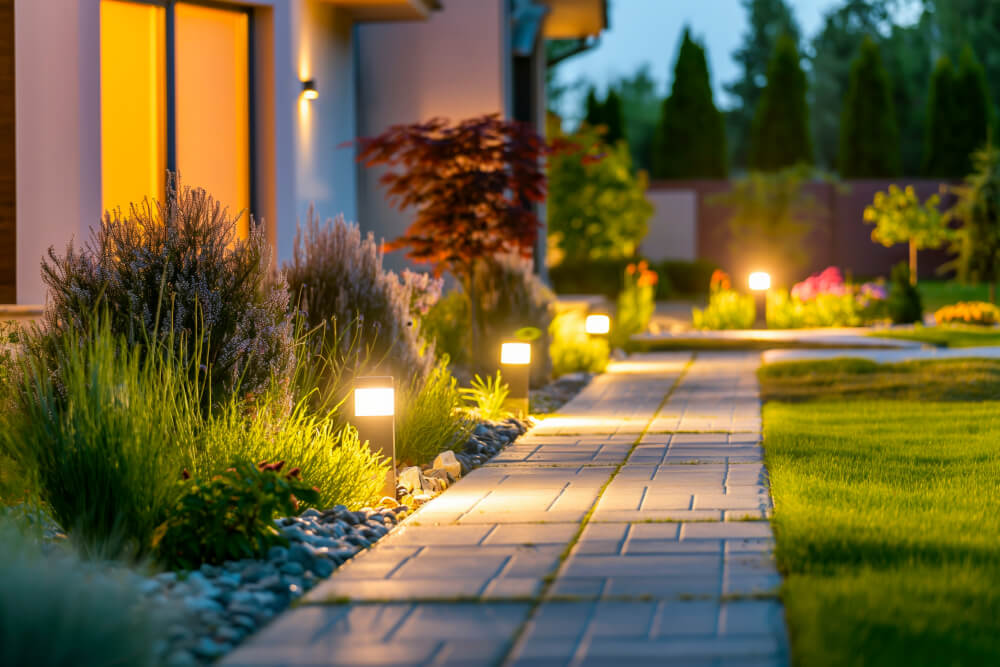
- Lighting Systems: Use solar-powered or low-voltage lighting systems with automatic timers to illuminate your landscape.
- Set and Forget: Program automated systems to run during optimal times, such as early morning for irrigation, to maximize efficiency.
- Regular Checks: Periodically check automated systems to ensure they are functioning correctly and make adjustments as needed.
Creating a low-maintenance landscape involves thoughtful planning, strategic plant selection, and the incorporation of efficient systems and materials. By choosing native and drought-tolerant plants, reducing lawn areas, using efficient irrigation systems, and integrating hardscaping elements, you can design a beautiful and functional outdoor space that requires minimal upkeep. Embracing a minimalist design approach and automating maintenance tasks can further reduce the time and effort needed to keep your landscape looking its best. With these tips and tricks, you can enjoy a stunning, low-maintenance yard that enhances your home’s beauty and value while giving you more time to relax and enjoy your outdoor space.